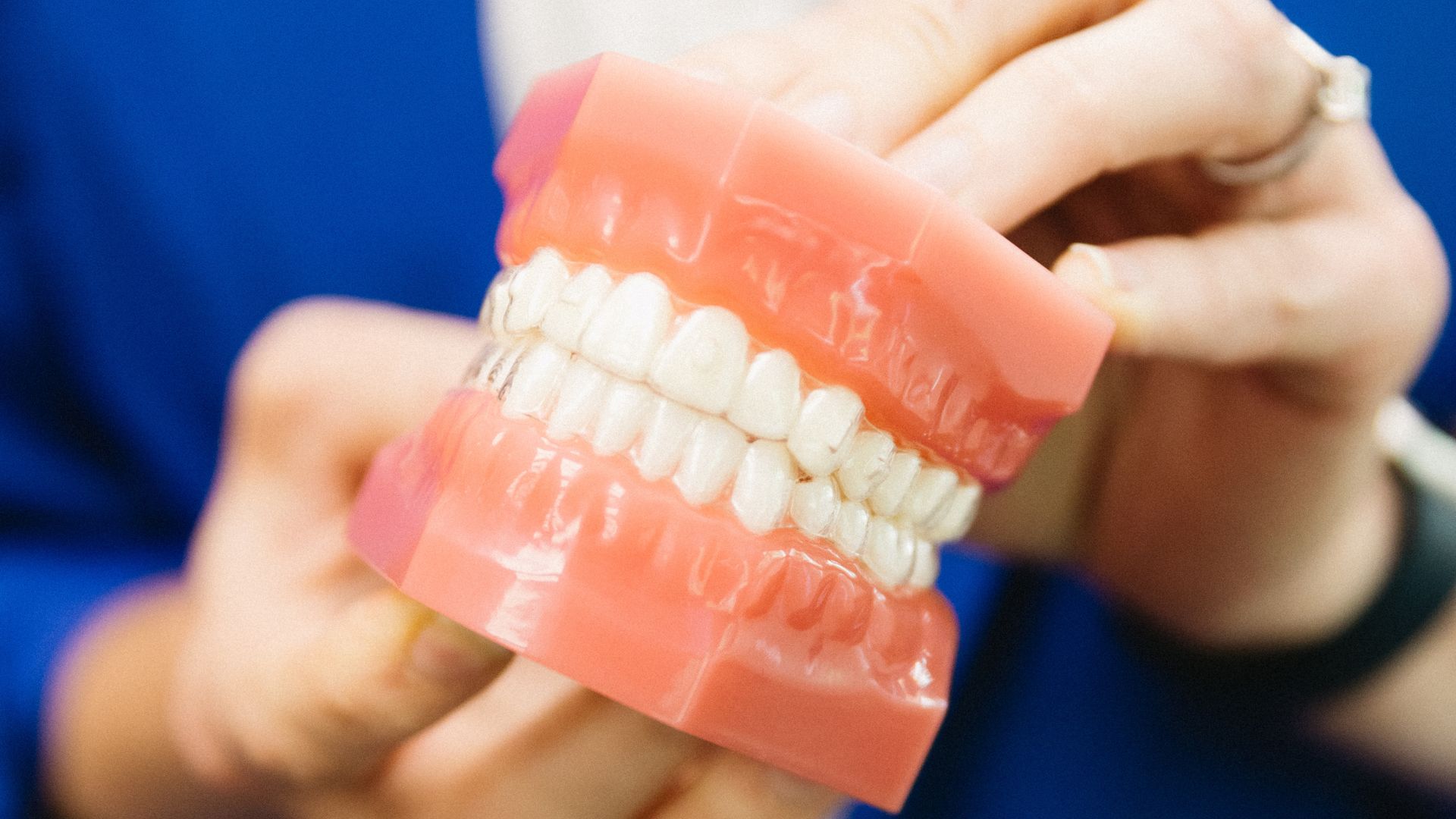
Getting your braces off is an exciting milestone! You finally get to see the smile you’ve worked toward, enjoy easier brushing and flossing, and say goodbye to brackets and wires. But what happens during braces removal, and what should you expect afterward?
At Nth Degree Orthodontics, we’re with you every step of the way, including the next stage of protecting your smile. Here are six things to know before your braces come off.
1. Your orthodontist will remove your braces and clean away the adhesive.
During your braces removal appointment, your orthodontist will use special instruments to gently release the brackets from your teeth and remove the wires and any bands. You may feel some pressure or hear small clicks as the brackets come off.
Next, the team will remove and polish away the remaining bonding adhesive. This helps your teeth feel smooth again. Adhesive removal is different from a routine dental cleaning, so continue seeing your general dentist for regular checkups and cleanings.
The length of your appointment depends on the steps needed for your smile. Along with removing your braces, your visit may include final records, a scan or impressions for your retainer, and instructions for caring for your teeth afterward.
2. You may feel pressure or brief sensitivity.
For most patients, getting braces removed is more comfortable than expected. You may notice pressure as the brackets are loosened and some vibration while the adhesive is polished away.
Your teeth or gums may feel a little sensitive afterward, especially if you already have sensitive teeth or irritated gums. Mild sensitivity generally improves as you adjust. Let our team know before your appointment if you have concerns so we can explain what to expect.
If you experience significant pain, worsening discomfort, or sensitivity that isn’t improving, contact our team.
3. Your teeth may feel unusually smooth.
After months of feeling brackets and wires, your teeth may feel surprisingly smooth or slippery when you run your tongue over them. Your teeth might even look bigger now that the brackets are no longer covering part of the surface!
These unfamiliar sensations usually become less noticeable as you get used to your smile. Eating and brushing may feel different, too.
If your bite feels uncomfortable, you have trouble chewing, or you notice a change that concerns you, let your orthodontist know.
4. Staining and white spots need individual attention.
Once your braces are removed, you may notice staining or white spots that were less visible during treatment. Surface stains and white spots are not always the same thing.
White spots can develop when plaque and acids cause enamel to lose minerals. Some early spots may improve with appropriate care, while deeper changes may persist or require treatment. Your dentist can evaluate the cause and recommend the right next steps.
Before starting whitening toothpaste, strips, or other whitening products, ask your dental team whether whitening is appropriate for your teeth. Whitening does not repair enamel mineral loss.
Keep brushing twice a day with fluoride toothpaste, clean between your teeth daily, and stay on schedule with your dental checkups.

5. Your retainer helps protect your results.
Braces removal marks the end of active treatment and the beginning of the retention phase. Your orthodontic retainer helps hold your teeth in their new positions while the supporting tissues adjust.
Your orthodontist will explain when to wear your retainer and how to care for it. Follow your prescribed schedule rather than switching to nighttime wear on your own. Long-term retainer wear is important because teeth can continue to shift throughout life.
Keep a removable retainer in its protective case whenever it is out of your mouth, and follow the cleaning instructions our team provides. If it becomes lost, damaged, painful, or no longer fits fully, contact us promptly. Don’t force a retainer into place.
6. Caring for your smile continues after braces.
Without brackets and wires, brushing and flossing should be easier. Keep up those daily habits, attend your regular dental appointments, and wear your retainer as directed.
You can generally return to foods you avoided during braces treatment, but ease back into firmer foods if your teeth feel sensitive. Follow any specific instructions from your orthodontist, especially if you have a bonded retainer.
Finishing treatment with Invisalign or Spark clear aligners? Retainers and ongoing dental care are just as important for maintaining your results.
Frequently Asked Questions About Braces Removal
How long does it take to get braces off?
Removing the brackets is only one part of the visit. Your appointment may also include adhesive removal, final records, retainer scans or impressions, and aftercare instructions. Our team will let you know how much time to allow for your appointment.
Does getting braces off hurt?
Most patients experience pressure or brief, unusual sensations rather than pain. Some sensitivity afterward is possible. Tell your orthodontist if you have sensitive teeth or feel uncomfortable during the appointment.
Can I eat normally after getting my braces off?
You can generally enjoy foods that were restricted while wearing braces. If your teeth feel tender, start with softer foods and return to firmer foods as you feel comfortable. Remove removable retainers for meals unless your orthodontist tells you otherwise.
Can I whiten my teeth right after braces removal?
Ask your dentist or orthodontist before whitening. Sensitivity, gum health, and any white spots can affect which approach is appropriate and when to begin.
What should I do if my retainer doesn’t fit?
Contact our team if your retainer won’t seat fully, feels painful, or appears damaged. Don’t force it or try to adjust it yourself. Getting help promptly can reduce the chance of unwanted tooth movement.
Have Questions About Getting Your Braces Off?
Our team is here to help you feel prepared for braces removal and confident about caring for your smile afterward. If you’re approaching the end of treatment or have questions about your retainer, contact Nth Degree Orthodontics or call (864) 579-7700.
Thinking about starting treatment? Explore our braces and clear aligner options, then contact us to request a complimentary exam at one of our offices in East Spartanburg, West Spartanburg, Duncan, Gaffney, Union, or Woodruff.